
Buying a home and moving house is a significant moment in life. How will this property serve you and your family’s needs over time, what will it cost to run, and what necessary renovations are on the cards? The longevity of the investment is important, and in changing times, priorities are shifting. With the energy crisis biting people’s ankles, many want to change to a position where their home can produce energy and reduce their overall carbon emissions. Plus, the days of factoring in a conservatory as an aspirational renovation are changing.
Now, factors related to environmental impact govern people’s choices, and sustainable architecture is also driving what is valued in the domestic aesthetic. Here are a few factors to consider when considering moving home and assessing the efficiency of the property. In addition, if you are a landlord or looking to sell, staying on top of these aspects will maintain the value of your property.
Contents
- An Overview of Energy Performance Certificates
- Five Key Energy Efficiency Features
- What is a Carbon-Neutral Home?
- Energy Efficiency Incentives for UK Homeowners
- Improving Older Homes Without Compromise
- Energy Upgrades That Boost Resale Value
An Overview of Energy Performance Certificates
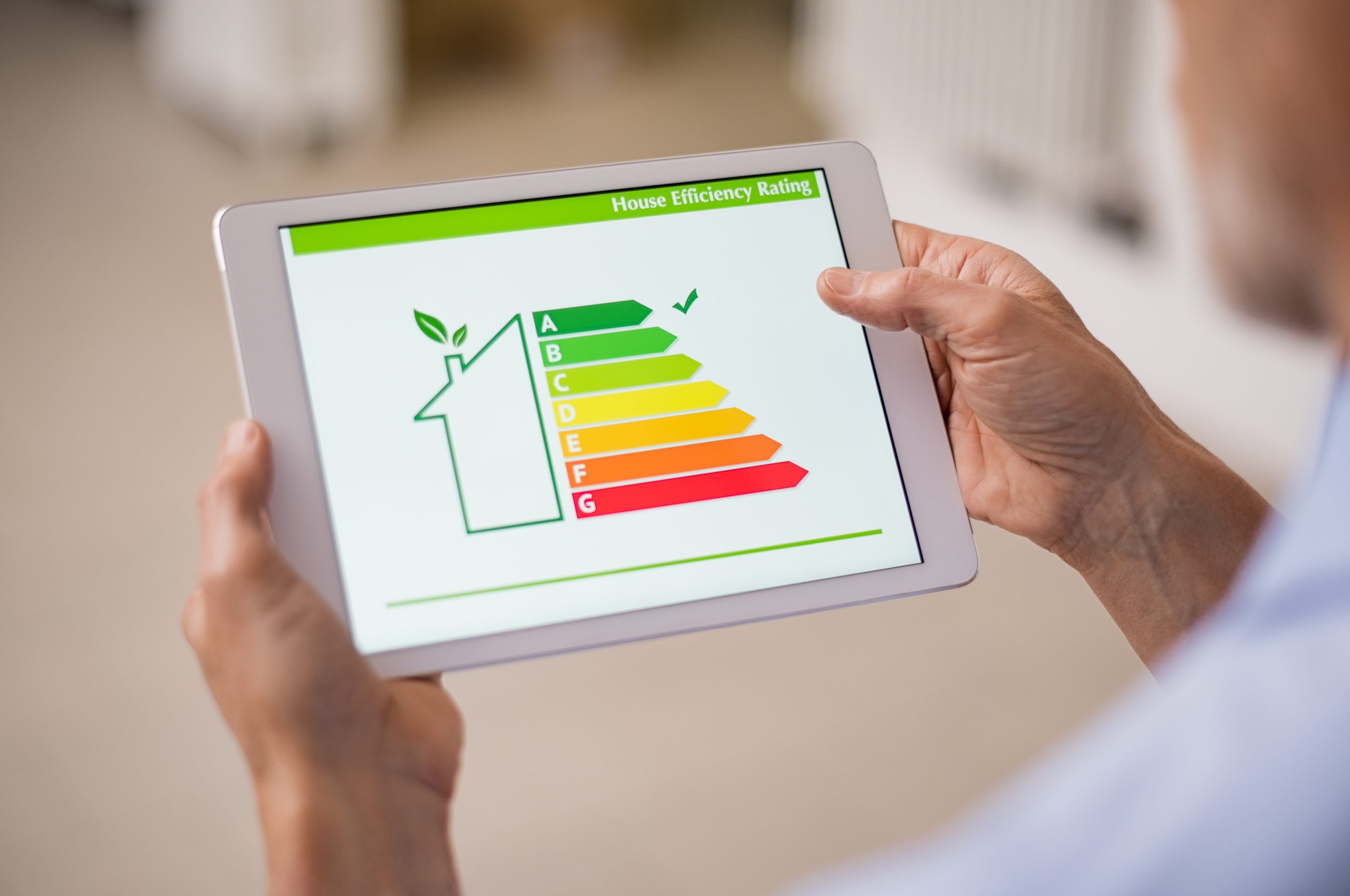
Much like understanding appliances before purchase and their efficiency performance, the EPC (Energy Performance Certificate) rating of a house or flat will be more important to home buyers as they anticipate living costs in that location. Consider the rainbow stickers that come with a new tumble dryer, they will rate the efficiency of the dryer from A – G. It is the same with a house, a qualified domestic energy assessor will come and assess the energy performance of a home based on factors such as insulation, light fittings, the age of the boiler and so on.
A Blueprint for Energy-Efficient Upgrades
A report like this will also suggest areas the landlord or homeowner can develop to improve the overall efficiency of the property. It will provide insight into the house’s carbon emissions levels, which are also worth considering. A landlord must provide an Energy Performance Certificate if you sell your home. It is easy to arrange an assessor to visit your property, and if you are looking for a new home, you have every right to insist upon a valid and up-to-date EPC.
What EPC Ratings Really Tell You
EPCs rank homes from A (most efficient) to G (least), influencing running costs and mortgage eligibility. These detailed reports include recommendations for quick fixes (like LED lighting) and major upgrades (like insulation), all performed by an impartial, accredited assessor. An EPC remains valid for ten years but may need updating after renovations to reflect improved performance. Buyers can use a low EPC rating to negotiate on price, especially if upgrades will be required.
Five Key Energy Efficiency Features
This section will focus on the most popular features incorporating energy efficiency tenets. While these suggestions aren’t the only features available—they’re more frequently entering the market—they’re the standard-bearers of eco-friendly homes.
One: Check the Age of the Boiler
When looking at a new property, the age and energy rating of the boiler are essential. Some older boilers are very inefficient, and estimates suggest you can save as much as £340 a year by upgrading from a G-rated boiler to an A-rated one. A newer combi boiler will allow for greater control and less energy loss. Assess and research the cost of changing the boiler and factor that into your home-buying budget.
Two: Insulation in the House
Thermal retention is key to energy efficiency. Where heat is lost, there is room for improvement. Check to see if the loft is insulated, as this is a significant zone of heat loss. If you can find out if the property has cavity wall insulation and floor insulation, that will also increase the thermal retention.
If it is a period home, there may have been solid wall insulation or potential for improvement. While all these aspects will be considered in the EPC, it is worth being aware of what renovation work may be required or possible to increase the efficiency of your property over time.
Three: Quality of the Windows
It’s vital to assess the windows in any property you consider buying. Are the seals intact, or will they need to be changed soon? Are they double-glazed or triple-glazed? Measuring the windows can help you estimate the cost of upgrading to double or triple glazing.
Similarly, if you are a landlord or homeowner, it may be worth improving the windows in your property to boost your EPC rating. At the same time, there are mixed reports on the value of triple glazing, which prevents thermal loss and provides good sound barriers from external noise.
Four: Smart Meter and Related Technology
It is easy to install a smart meter, as the government and energy companies provide free installation nationwide. If there is an existing smart meter in the property you are considering or have on the market, you can easily assess the cost of living in that place from the readings. This can help people anticipate their daily and monthly expenditures. Additional energy-saving technologies incorporated in the house, such as LED light fittings and water-saving devices, will all add value to the property.
Five: Renewable Energy Sources
Investing in a property with solar panels and other renewable power sources is very appealing for those who want to reduce their overall carbon emissions and generate excess energy for the grid. Many people will see these as an asset, and if they are already in place and functioning well, they will have to make one less improvement.
The Smart Export Guarantee entails that energy companies will pay you money for any excess energy your home generates, and you can sell it back to the grid. This way, having renewables in place alleviates the tension of the energy crisis, as you are not subject to price increases in the same way, and your home becomes a carbon-positive home.
What is a Carbon-Neutral Home?
Carbon neutral is a term applied to homes in the quest to reduce the carbon emissions involved in the construction industry and domestic energy consumption. While this term is mainly relevant to newly built homes that follow the guidelines for reduced emissions within construction, running a carbon-neutral home in an older house is possible.
If a home generates renewable energy rather than consuming energy, it can become a carbon-positive home and offset the balance of emissions it had previously created. Another way to become carbon neutral if you can’t generate renewable energy is to use a renewable energy provider and invest in rewilding and tree planting schemes. The generation of oxygen from the trees and reforestation offsets the carbon emissions involved in living in your home.
Checklist: Steps Toward Carbon Neutral Living
- Air-source or ground-source heat pumps can dramatically reduce carbon output.
- Offsetting schemes vary—look for certified rewilding and carbon capture projects.
- Passive design strategies (e.g. south-facing windows, thermal mass materials) cut reliance on energy.
- Low-flow fixtures and rainwater harvesting help reduce resource use beyond electricity and gas.
- Consider small-scale renewable devices such as solar panels and wind turbines to produce your energy.
- Work with service providers dedicated to greener practices.
Energy Efficiency Incentives for UK Homeowners
It’s no secret that society needs to reduce its reliance on carbon-emitting practices. Luckily, this sentiment is more than bluster, and there are government-backed measures to help ordinary people become part of the solution.
UK Government Energy Efficiency Incentives
Before you embark on any upgrades, explore grants like the ECO4 scheme and Boiler Upgrade Scheme. This could save you money on upfront costs and open more opportunities you may consider outside your budget.
Smart Export Guarantee pays for surplus solar energy; homeowners may qualify for local council retrofit grants. Incentives can significantly reduce installation costs, while the overall benefits are kinder to your wallet/purse and the environment.
How Incentives Reduce Payback Time
Grants can reduce the cost barrier for homeowners hesitant about retrofit investment. The ECO4 scheme targets low-income households and can cover insulation, boilers, and heat pumps.
The Boiler Upgrade Scheme offers up to £7,500 toward low-carbon heating systems. Some lenders provide green mortgages with better rates for properties meeting EPC band C or higher.
Improving Older Homes Without Compromise
While energy efficiency is more associated with newer properties, financial levers are available for older houses and apartments. You may have more hurdles to clear for listed buildings (consult your local council for advice), but overall, you have plenty of options to consider.
How to Make Old Homes Efficient
Use internal wall insulation for period properties with restrictions after consulting to discuss permission with the Bath and North East Somerset Council. Secondary glazing helps preserve character and reduce heat loss, while draught-proofing original features is cost-effective and reversible. Floor insulation can be retrofitted with minimal visual impact.
Respecting Character While Upgrading
Original timber floors can be insulated beneath using breathable materials with minimal disruption. Lime plaster and breathable insulation are compatible with older walls, avoiding moisture issues. Chimney balloons or flue blockers can reduce heat loss through unused fireplaces. Use of heritage-appropriate secondary glazing preserves sightlines in listed buildings.
Energy Upgrades That Boost Resale Value
Upgrading your home’s energy features has various eco-friendly benefits, including financial perks. A higher EPC rating can significantly increase your property’s value when selling or if you’re trying to leverage any equity. However, remember to run any ideas via an estate agent to confirm how upgrades will affect the value.
Best Energy Improvements for Resale
EPC upgrades increase buyer interest and property value, and are now a legal requirement. Heat pumps and solar panels appeal to eco-conscious buyers who understand the added cost savings they can enjoy.
Smart thermostats and zoned heating modernise any home. You can change settings and automate via a mobile phone app. Efficient homes may be eligible for green mortgages with potentially lower interest rates and additional advice on related incentives.
Top Upgrades for Modern Appeal
- Installing EV charging points appeals to buyers with electric vehicles.
- Solar battery storage systems increase efficiency and energy independence.
- Zoning controls allow for better heating management across larger properties.
- EPC certificates that show recent upgrades can fast-track the sales process.
Aussie Bath – The Efficient and Energetic Removals and Storage Company
Efficiency and energy are important in our positive work ethos. At Aussie, there is no problem that we cannot find an efficient solution for. Our team, much loved in London, is now operating in Bath and offering our range of services. Although moving house can seem like a daunting prospect, we have efficient procedures in place to lighten the load.
If you are moving to Bath or looking for a new property, consider us your expert removals and storage team. With different storage packages and a range of vehicles, we can tailor our service to meet your particular needs. Most importantly, you won’t lose energy in the move, but you will have the peace of mind that guarantees a fresh start. Whether it’s an office move or a domestic move, our team is happy to help.
Contact us today to discuss your removal and storage needs or to generate an instant quote. Our blog page offers more free tips for moving and using storage.